Fertilization and weed control in High Point, NC work best when treatments follow the local growing season. A strong schedule starts before spring weeds appear, continues through summer stress, and supports fall recovery when fescue lawns need it most. For High Point lawns, the right plan usually includes pre-emergent weed control, seasonal fertilization, summer weed management, and fall treatments that help the grass grow thicker and cleaner.
Why High Point Lawns Need a Local Treatment Schedule
High Point lawns deal with fast spring growth, humid summers, heavy weed pressure, and seasonal stress. A lawn treatment in High Point, NC should match those local conditions instead of following a generic national schedule. The right timing helps the grass get steady nutrients while stopping weeds before they spread.
Local lawns also sit near the USDA Zone 7b and 8a boundary, which means spring warmups and summer heat can shift treatment timing from year to year. Pre-emergent weed control, fertilizer, and fall seeding all work better when they are timed around local weather and turf growth. That is why the month-by-month schedule matters.
The Month-by-Month Fertilization and Weed Control Calendar
A lawn fertilizer schedule for NC Piedmont properties should change with each part of the year. Early spring focuses on weed prevention, late spring supports active growth, summer protects the lawn from heat and weeds, and fall helps repair damage. Here is the local calendar many High Point lawns need.
February to Mid-March: Stop Crabgrass Before It Starts
Early spring is one of the most important windows for weed control in High Point, NC. Pre-emergent treatment should go down before crabgrass and other grassy weeds begin to germinate. In the NC Piedmont, this often means applying it by mid-March before soil temperatures stay warm.
Key early spring tasks include:
- Apply pre-emergent weed control before crabgrass appears
- Water in the treatment so it can form a protective barrier
- Check thin turf areas where weeds may spread faster
- Avoid pushing weak grass with too much fertilizer
- Plan the next visit before spring weeds break through
This step is all about prevention. Once crabgrass becomes visible, it is much harder to control cleanly.
April to May: Feed the Lawn and Treat Spring Weeds
Late spring is when many lawns start looking greener and more active. This is also when broadleaf weeds and escaped crabgrass may begin to show up. A balanced lawn fertilization in High Point, NC program can support healthy growth while post-emergent weed control targets visible weeds.
This part of the schedule may include:
- Apply fertilizer based on the grass type
- Spot treat clover, dandelions, and other broadleaf weeds
- Watch sunny edges near sidewalks and driveways
- Avoid overfeeding fescue as temperatures rise
- Prepare Bermuda and other warm-season grasses for summer growth
June to August: Protect the Lawn During Heat and Weed Pressure
Summer in High Point can be tough on turf, especially fescue. Heat, humidity, drought stress, insects, and summer weeds can show up at the same time. A smart summer lawn treatment should focus on steady support, careful weed control, and stress protection.
Summer treatments may include:
- Slow-release fertilizer for steady feeding
- Iron treatments for better color without heavy growth
- Broadleaf weed control when weather conditions allow
- Nutsedge and summer weed management
- Grub and surface insect monitoring
- Watering guidance during dry stretches
Bermuda lawns usually benefit from more active feeding during summer because this is their peak season. Fescue lawns need a lighter approach because too much summer nitrogen can increase stress.
September to Mid-October: Rebuild Fescue With Aeration and Overseeding
Early fall is the best recovery window for fescue lawns in High Point. After summer heat, many lawns have thin areas, compacted soil, and weak spots where weeds can move in. Aeration, overseeding, and fertilization help the lawn rebuild before winter.
Important fall tasks include:
- Aerate compacted soil
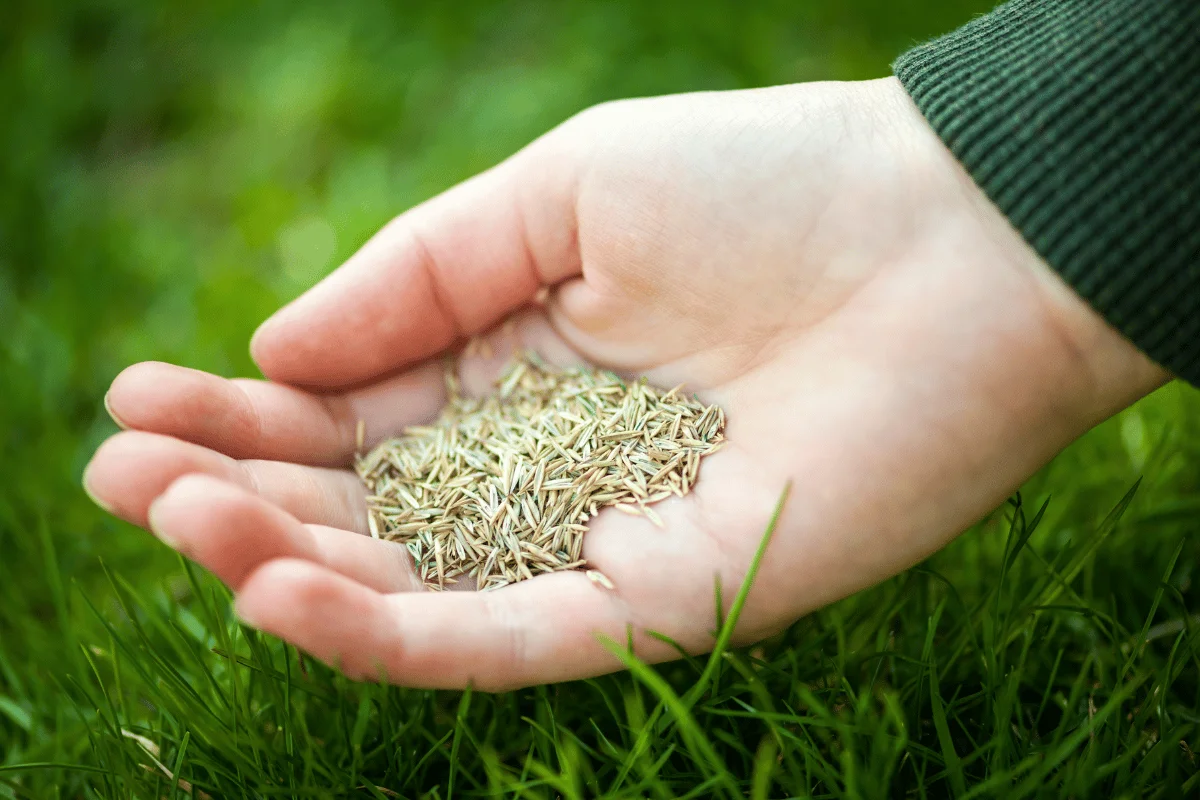
- Overseed thin fescue areas
- Apply starter or fall fertilizer
- Reduce weed pressure before new seed fills in
- Keep new seed consistently watered
- Avoid harsh weed treatments too close to seeding when needed
Fall work can make a major difference in how thick the lawn looks the next spring. A denser lawn also leaves less open space for weeds.
October to November: Strengthen Roots and Control Winter Weeds
Late fall treatments help the lawn store energy before winter. This is also a smart time to target winter annual weeds before they become a bigger problem in early spring. A final seasonal feeding gives the grass better root strength and cleaner growth when the next season begins.
Late fall care may include:
- Apply winterizer fertilizer for root health
- Treat winter annual weeds before they spread
- Support fescue recovery after overseeding
- Keep leaves and debris from smothering turf
- Review lawn density before spring treatments begin
This final step helps the lawn enter winter stronger. It also sets up a cleaner green-up when spring returns.
How Grass Type Changes the Treatment Plan
Not every lawn in High Point should receive the same fertilization and weed control plan. Fescue, Bermuda, and centipede each grow at different times and respond differently to fertilizer. A good plan should match the turf type before any product is applied.
Fescue usually needs more support in fall because that is when it repairs and thickens best. Bermuda needs more attention during late spring and summer because it grows strongest in heat. Centipede often needs a lighter feeding plan because too much fertilizer can create weak growth and other lawn issues. A professional plan should consider:
- Grass type
- Soil condition
- Sun and shade levels
- Drainage issues
- Weed history
- Bare or thinning areas
- Seasonal stress
This is where local experience becomes valuable. A lawn that looks similar from the street may need a very different treatment plan once the turf type and site conditions are reviewed.
Why a 6 to 8-Application Program Works Better
One treatment can help, but it will not protect a lawn for the whole year. Weeds grow in waves, and grass needs different support during spring, summer, fall, and winter. A 6 to 8-application program gives the lawn steady care instead of waiting until problems take over.
A consistent program can help with:
- Fewer weeds over time
- Thicker turf growth
- Better root strength
- Cleaner seasonal color
- Less competition for water and nutrients
- Better recovery after heat or drought stress
This type of schedule also reduces the need for heavy correction later. Each visit builds on the last one, which keeps the lawn moving in the right direction through the year.
The Local Team Homeowners Can Call for Seasonal Lawn Care
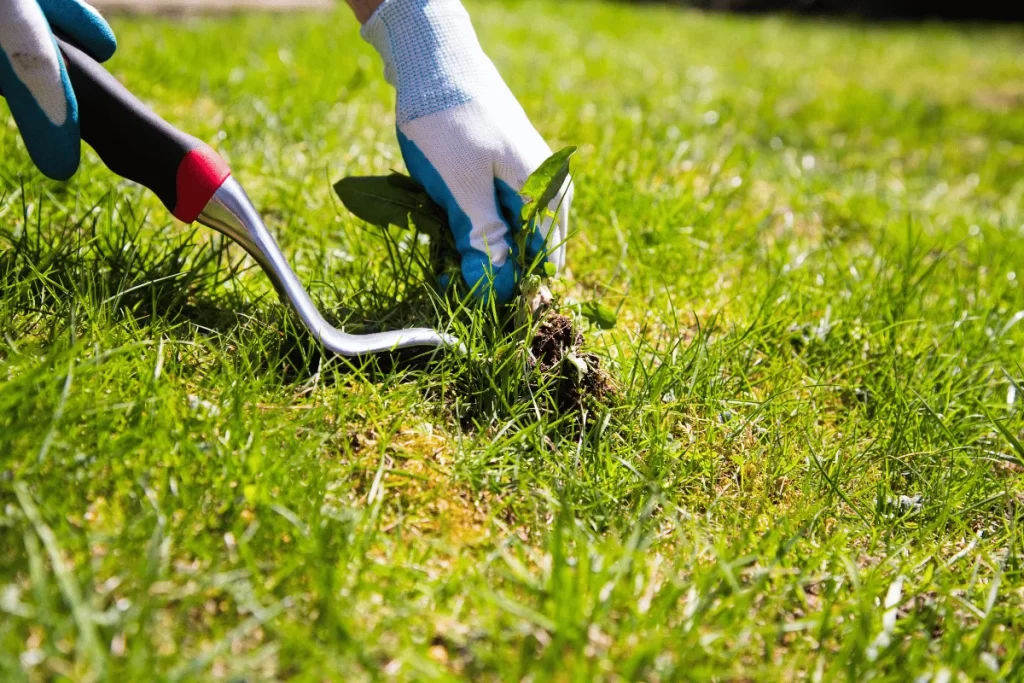
When we care for a lawn, we look at the grass type, the season, the weed pressure, and the condition of the soil before building the plan. Lawn Works Triad offers lawn fertilization and lawn weed control services that support thicker, healthier turf through the growing season. Our weed control services can include pre-emergent treatments, post-emergent control, selective weed control, weed and feed options, and seasonal multi-application plans.
We also connect fertilization and weed control with the bigger picture of lawn health. That may include aeration, overseeding, mowing, seasonal cleanup, and other lawn care services when the property needs more than one treatment. The goal is simple: help your lawn grow cleaner, stronger, and better prepared for each season in High Point.
Get a Better Lawn With the Right Seasonal Schedule
Fertilization and weed control in High Point, NC work best when each treatment follows the right seasonal timing. A strong plan starts with spring pre-emergent weed control, continues with steady feeding, and supports fall recovery for healthier turf. Contact us today to schedule professional lawn fertilization and weed control services that help your High Point lawn grow thicker, cleaner, and healthier through the year.